




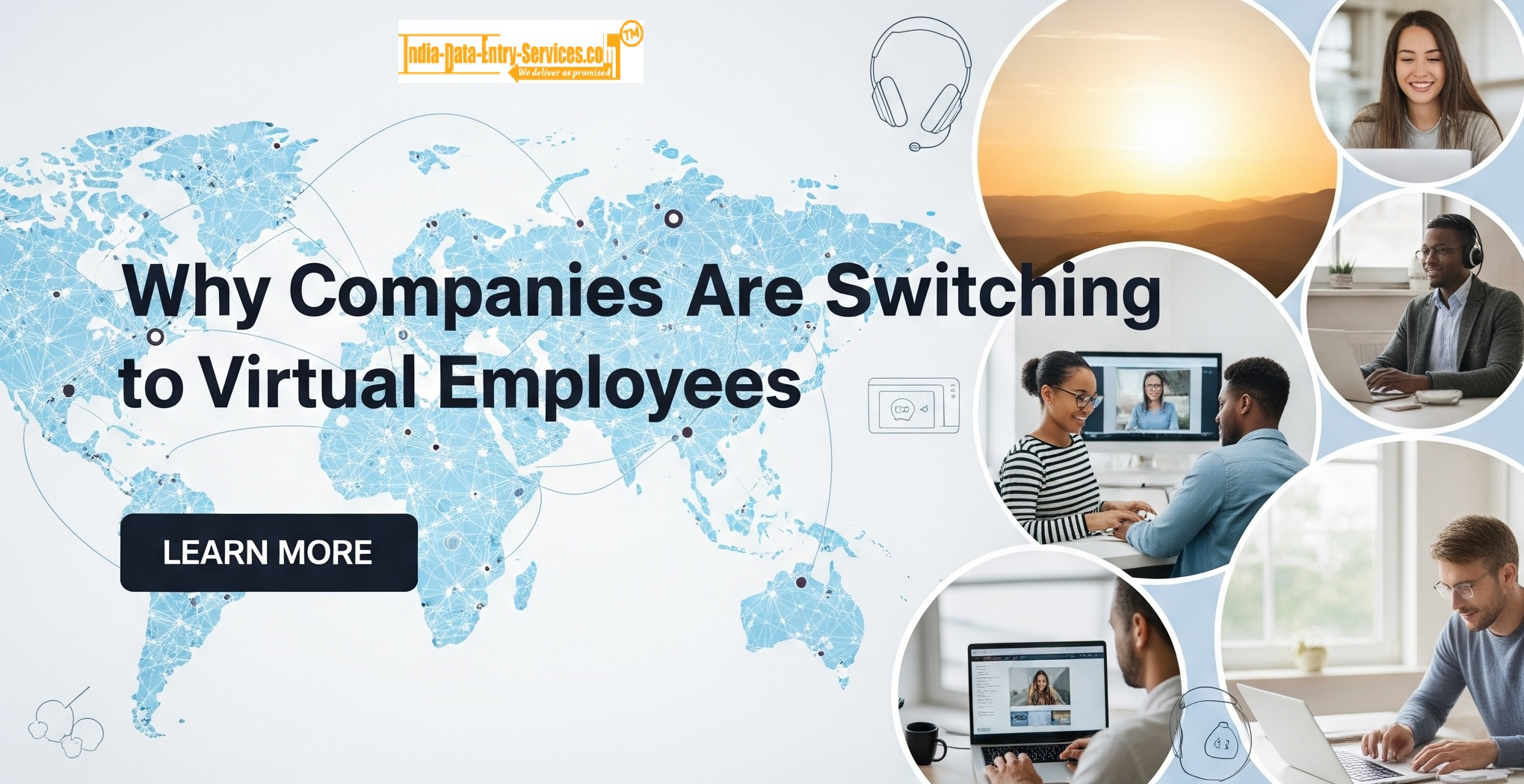
The traditional office model, once considered the gold standard for corporate operations, is rapidly evolving. In a significant shift, businesses globally are increasingly embracing the concept of virtual employees, building distributed teams that span cities, countries, and even continents. This isn't just a fleeting trend; it's a strategic pivot driven by undeniable advantages that are reshaping the future of work.
So, why are more and more companies making the switch to a virtual workforce? Let's delve into the compelling reasons.
1. Unlocking a Global Talent Pool
Perhaps the most significant advantage of hiring virtual employees is the removal of geographical barriers. Companies are no longer limited to talent residing within commuting distance of their physical office. This expands the talent search to a global scale, allowing businesses to:
- Access specialized skills: Find niche expertise that might be scarce locally.
- Enhance diversity: Build teams with diverse perspectives, experiences, and cultural backgrounds, fostering innovation and better problem-solving.
- Hire the best fit: Prioritize skills and experience over location, ensuring they secure the most qualified candidates for any role.
2. Significant Cost Savings
The financial benefits of a virtual workforce are substantial and immediately appealing to businesses of all sizes. Companies can realize considerable savings by:
- Reducing real estate costs: Less (or no) need for expensive office rent, utilities, maintenance, and furniture.
- Lowering operational expenses: Decreased spending on office supplies, IT infrastructure, and even communal perks.
- Optimizing compensation: Accessing talent in regions with a lower cost of living can lead to competitive salaries that are still lower than those in major urban centers.
- Minimizing employee-related overhead: Reduced expenses related to commutes, on-site benefits, and relocation packages.
These savings can be reinvested into growth initiatives, product development, or employee benefits, enhancing overall business profitability.
3. Boosting Productivity and Efficiency
Counterintuitively for some traditionalists, virtual employees often report higher levels of productivity. Several factors contribute to this:
- Fewer distractions: Home environments can be less disruptive than bustling open-plan offices.
- Flexible work schedules: Employees can work during their peak productivity hours, leading to better focus and output.
- Reduced commute stress: Eliminating daily commutes saves time and energy, allowing employees to start their workday refreshed and more engaged. Studies indicate remote workers can be 35-40% more productive with fewer errors.
- Personalized workspaces: Individuals can set up their work environment to maximize their comfort and concentration.
4. Enhancing Employee Satisfaction and Retention
The flexibility and autonomy offered by virtual work are highly valued by employees, leading to increased job satisfaction and, consequently, higher retention rates. When employees feel trusted and empowered to manage their work-life balance:
- Morale improves: A better work-life integration reduces stress and burnout.
- Loyalty increases: Employees are more likely to stay with companies that offer the flexibility they desire.
- Turnover decreases: Companies offering remote options report significantly lower turnover, drastically cutting down on recruitment and training costs.
5. Unparalleled Scalability and Business Continuity
Virtual work models offer businesses a robust framework for growth and resilience:
- Rapid scalability: Quickly expand or contract your workforce based on project needs or market demand without worrying about physical office space limitations.
- Built-in business continuity: Operations can continue seamlessly during unforeseen disruptions like natural disasters, power outages, or public health crises, ensuring minimal downtime.
- 24/7 operations: With a globally distributed team, businesses can maintain round-the-clock operations, providing continuous support and accelerated project completion.
The Future is Virtual
The shift to virtual employees is more than just a temporary adaptation; it's a fundamental change in how businesses operate. Powered by advancements in communication technology and a growing understanding of its myriad benefits, the virtual workforce model is proving to be a sustainable, efficient, and highly effective way to build resilient, innovative, and thriving companies in the modern era. For businesses looking to optimize resources, attract top talent, and future-proof their operations, embracing virtual employees is no longer an option, but a strategic imperative.